Public belonging in the city through the experiences of young women
This is the first article in a series exploring different perspectives on belonging in public space. At Vestre, we have seen first-hand how such inclusive and democratic gathering places can contribute to stronger cities and communities. In this article series, we explore the qualities that create good social gathering places and a sense of belonging, and how this can offer insights for city planners and landscape architects working to develop better urban environments.

We begin with young women. For many young women and girls, particularly those from minority or migrant backgrounds, shared and accessible spaces are often experienced as unwelcoming, unsafe, and not designed with them in mind. How young women move through the city says something fundamental about how inclusive our urban environments truly are.
Over the past year, an investigative project by Alexandra Raven has explored young women’s experiences in the public space through a series of interviews, participatory workshops, and field observations across Norway, the United Kingdom, Germany, Australia, and the United States. The work brought together 23 workshop participants from 11 countries at RMIT University in Melbourne. It also included in-depth conversations with practitioners, architects, and young women who navigate public spaces in their daily lives.
At its core, the research asks: What makes a city feel safe for young women? Participants pointed to the loss of free, accessible “third spaces” – places to congregate and socialize without spending money. The answers reveal that safety is shaped by perception, cultural context, design language, and the subtle signals our built environments send about who belongs in our third spaces.
A gap between statistical safety and lived experience
Across many of the contexts explored in this study, some public spaces were found to have statistically low crime rates and could therefore be characterized as objectively safe. Yet interviews consistently revealed a gap between formal measures of safety and how spaces are actually experienced.
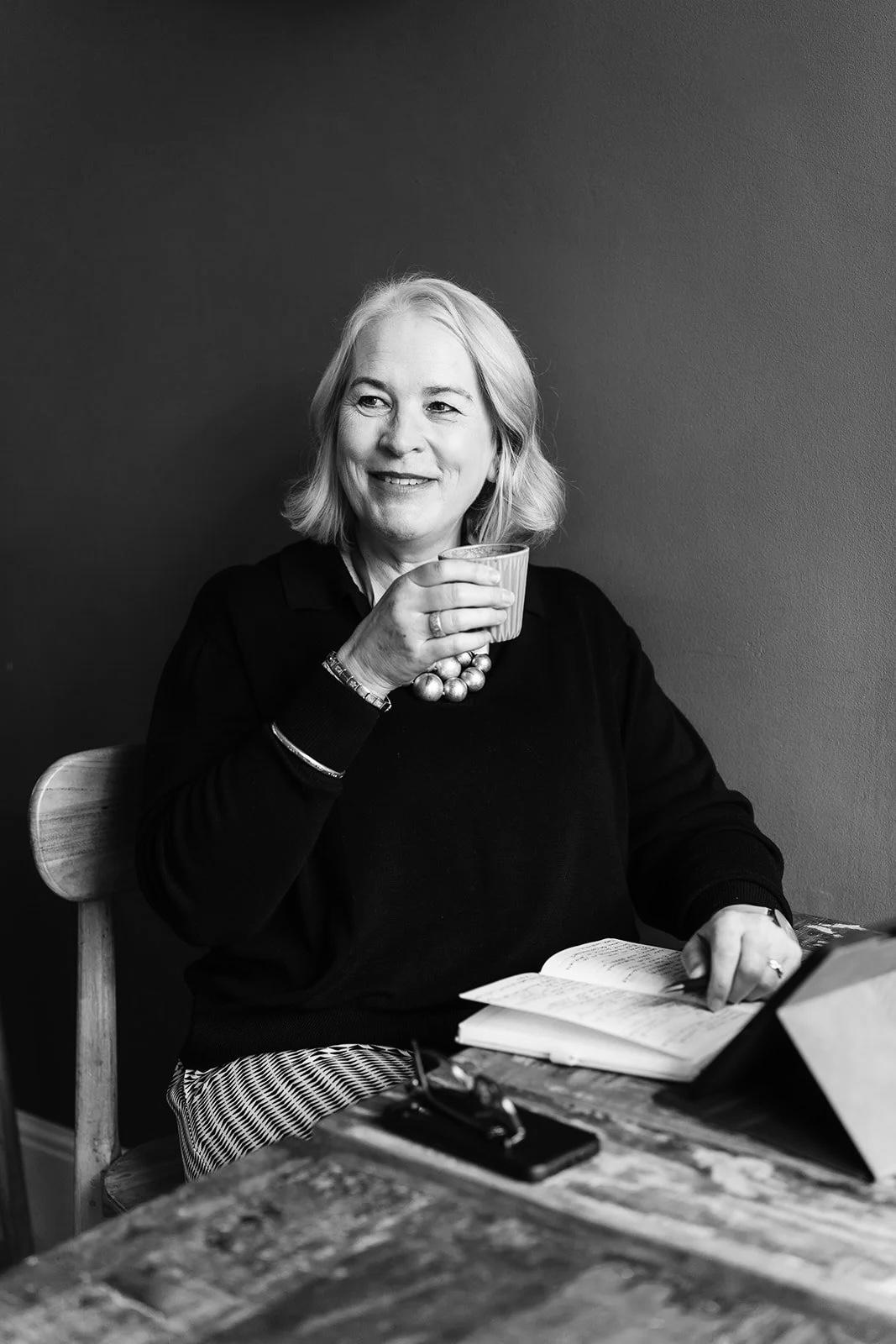
Many participants described being constantly alert to street harassment, small but persistent forms of gendered and racialized aggression that shape how women move through cities. Safety considerations must be endlessly weighed and balanced. Decisions about routes, timing, and who to be with often involve constant calculations about risk. As landscape architect Romy Rawlings, a member of the organization Make Space for Girls, explains:
“Whether there is a real safety issue or not doesn’t really matter. They feel unsafe, and that’s enough.”
Perception, in this context, becomes as influential as reality.
The shrinking landscape of third spaces
Alongside concerns about safety, many participants described a broader cultural shift in the nature of public life. Informal gathering places have gradually been replaced by commercial environments. Growing up in California, Haley Justine-Grønvold Perkins recalled malls as informal social hubs, though tied to spending. With few alternatives, she and her friends gathered there or in cars. Today, she notes these spaces have largely shifted online or become more commercialized.
“The world is becoming so functional it sacrifices the soul… Don’t sacrifice the beauty, spirituality, charm, and soul.”
A desire for environments that encourage rest, reflection, and social connection, rather than consumption, appeared consistently across the project’s interviews and workshops. Participants often described valued spaces as ones designed to make people feel taken into account and looked after.
Visibility, control, and spatial comfort
The physical qualities of a space play a significant role in shaping how it is experienced. Many young women described feeling more comfortable in places where they had clear sightlines and an overview of access points. At the same time, openness alone does not necessarily feel welcoming. Complete exposure can feel uncomfortable and may invite unwanted attention. Instead, participants frequently expressed a preference for environments that offered partial shelter or enclosure, spaces where one could be present in public life while still feeling protected.
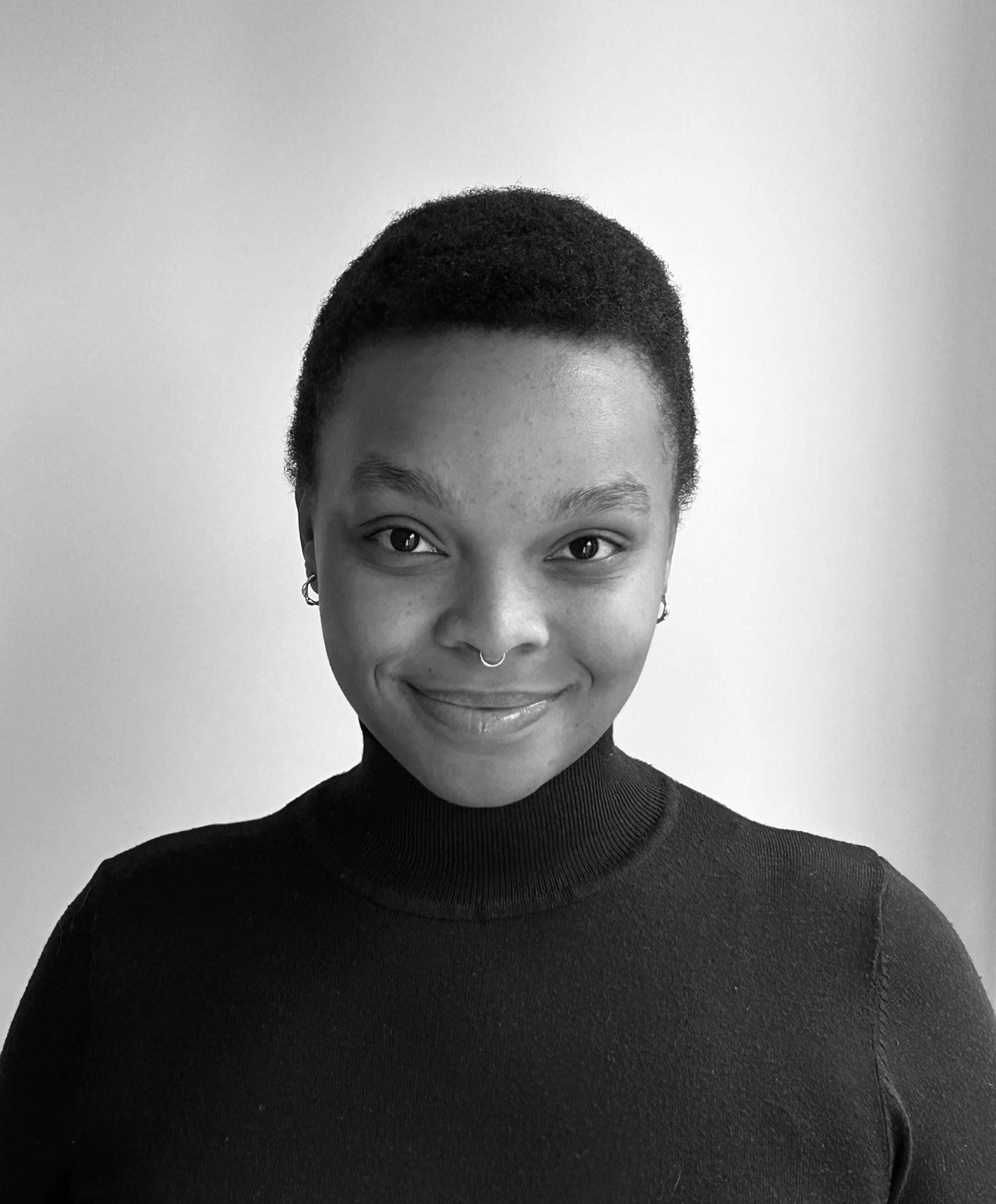
Architect and educator Kuljeet Sibia, founder of Diverse Dialogues, described how these spatial dynamics appear in her work with teenage girls.
“Elevated seating makes many feel more secure. It takes longer for someone to reach you, and you can see what’s around you.”
These spatial nuances reveal how seemingly small design decisions can influence emotional experience.
Designing for multiple ways of being
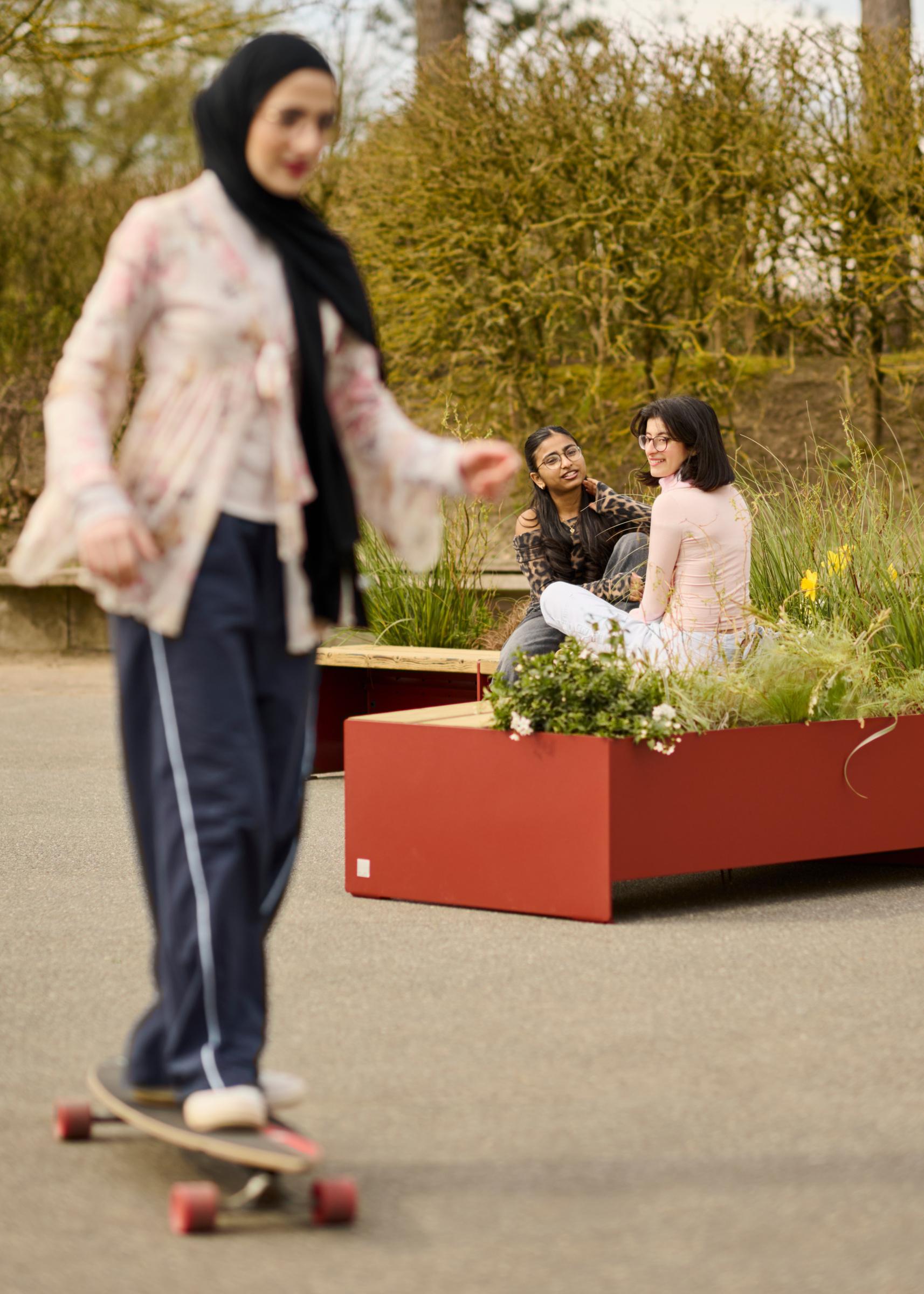
Flexibility emerged as a consistent theme across interviews, observations, and workshops. Public spaces are rarely used by a single group, and young women represent a wide spectrum of experiences and needs. Third spaces are often used in the company of family members or friends. Designs that accommodate intergenerational use, varied seating arrangements, and different height levels were frequently described as more desirable. In a bodystorming workshop with students at RMIT University, Melbourne, ideal third spaces repeatedly combined nature, visibility, and flexible social zones. Participants imagined spaces for relaxation, social gathering, or personal retreat, rather than a single prescribed posture. Observations in parks reflected similar behaviors. Individuals sought shaded or elevated areas for privacy, while small groups gravitated toward circular or semi-enclosed seating.
The cultural language of design
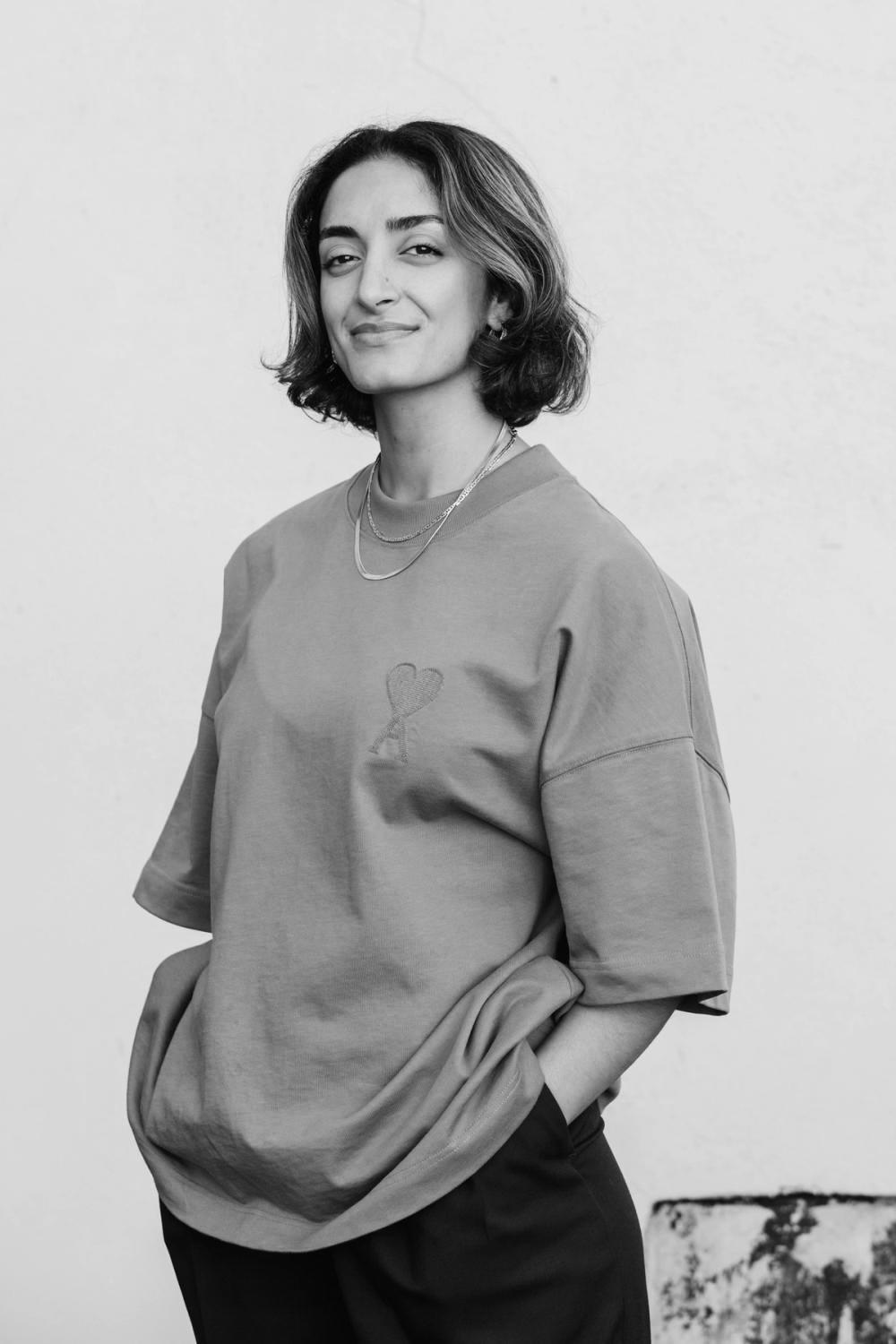
Design elements that may appear neutral often carry subtle cultural meanings. Interior architect and furniture designer Maisam Mahdi, reflecting on projects across Scandinavia and the Middle East, described how materials, patterns, and spatial orientation can influence whether people feel comfortable in a place. While Scandinavian minimalism is widely admired, she noted that extremely clean or austere environments can sometimes feel sterile to people from other cultural backgrounds.
Mahdi also highlighted how details in materials and design can influence everyday comfort. Cold surfaces, for example, may discourage use for women. Warmer materials and rounded shapes can make the space more approachable and comfortable. Even seating orientation matters. In some cultures, sitting with your back directly towards someone is generally considered disrespectful. Cultural awareness and sensory experience relate to every design choice. The research highlights the importance of thoughtfully reflecting diverse and intersecting needs.
Representation in the design process
Contributors emphasized the importance of including the target demographic in shaping public environments. Architect and youth engagement strategist Julia King described how participation processes often underestimate the time and trust required for meaningful engagement.
“They should be included across the whole spectrum, from design through to policy.”
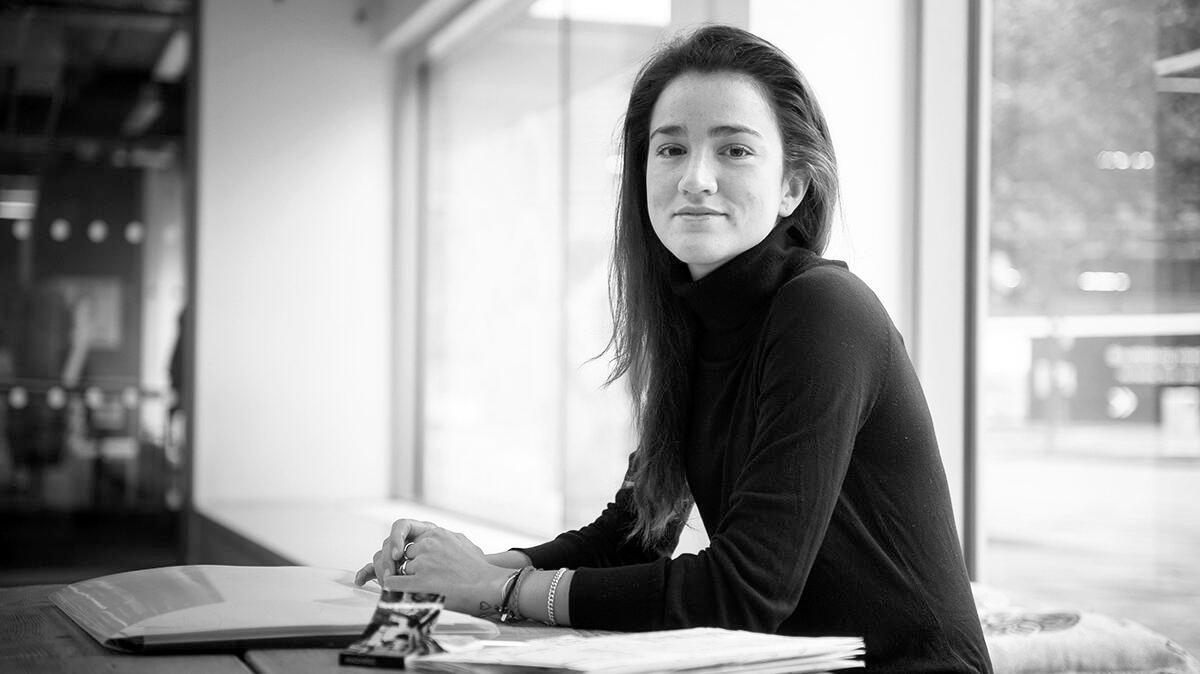
King also noted that young women from minority backgrounds are often asked to imagine themselves in environments that have historically excluded them. Building confidence and spatial literacy can therefore be part of the engagement process itself, enabling the creation of third spaces that invite young women to occupy an area and give them confidence within that space. King suggests that meaningful participation requires both learning and unlearning, helping young people understand that public space is something they have a right to shape.
Public space as a shared cultural project
Design elements and physical interventions alone cannot resolve deeper societal issues such as xenophobia, gender-based violence, or social exclusion. Yet the environments where public life unfolds still shape how people encounter one another. The design of a park, a square, or even a bench can influence whether a place feels welcoming or hostile.
Public space is never neutral. Through materials, visibility, comfort and care, it continuously signals who belongs and who does not. Designing for public belonging means co-creating with those who navigate public spaces most closely. When cities work for young women, they work better for everyone.
Written by: Alexandra M. L. Raven