Materials
We source local materials for our products, partly for environmental reasons and partly to ensure quality. Scandinavian pine is harder and better suited for outdoor furniture than wood from warmer climates. Nordic steel is produced with 20 per cent lower emissions than average.
Wood
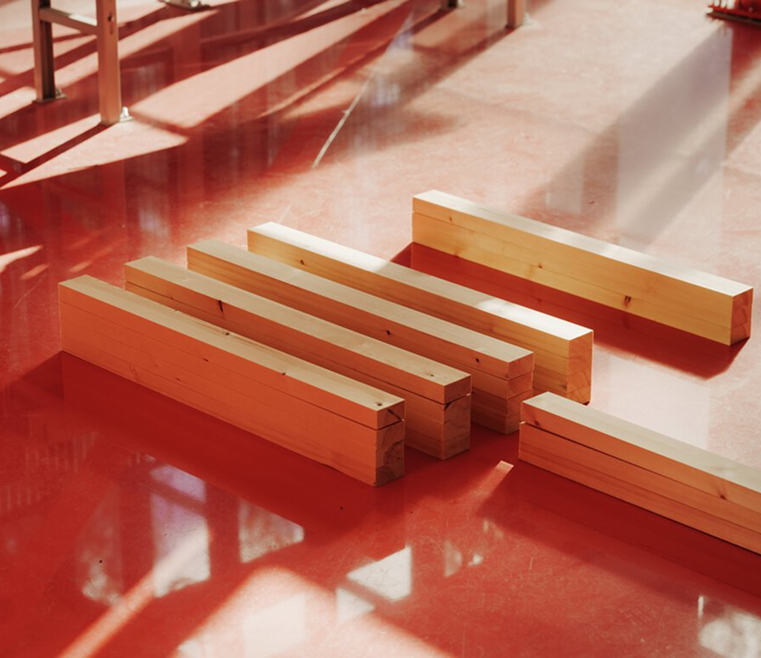
We offer high-quality pine, mostly grown in Northern Sweden, as standard. Because of the cold Scandinavian climate, trees grow slowly and are therefore not felled until they are between 80 and 120 years old. This means that Scandinavian pine is harder, more durable and better suited for outdoor use than pine from warmer regions, which normally grow 3–5 times faster. By offering Scandinavian timber from what is probably the world’s most sustainable forestry sector, we also ensure a more environment-friendly purchase – without compromising on quality.
At Vestre, we use what is called Linax impregnated pine. Linax is crafted from premium pine wood, treated with a copper-based preservative compliant with UC3 standards. It is then boiled in linseed oil under vacuum. The oil penetrates 2–3 mm into the wood, providing a water-repellent protective layer and highlighting the wood’s natural texture. Linseed oil is derived from flax seeds, is biodegradable and has low emissions compared to synthetic finishes. Linax is installation-ready and requires minimal maintenance. Opting for Linax means choosing a sustainable product made from certified raw materials.
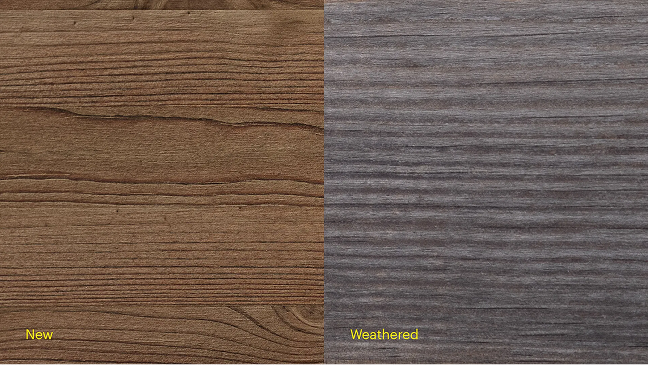
Kebony is the result of an environmentally friendly and patented wood treatment process, developed in Norway. The treatment uses renewable bio-based, plant-derived liquids, which have a lower environmental impact than synthetic chemicals. The process makes the pine hard, dimensionally stable and resistant to rot. It is equally or even more durable, in fact, than teak or mahogany. This reduces the need for frequent replacements and minimises the overall demand for new wood resources. Kebony scores 4.3 on the Brinell scale and is the hardest of the four wood materials we use. Vestre uses FSC®-certified Radiata pine from New Zealand for Kebony treatment.
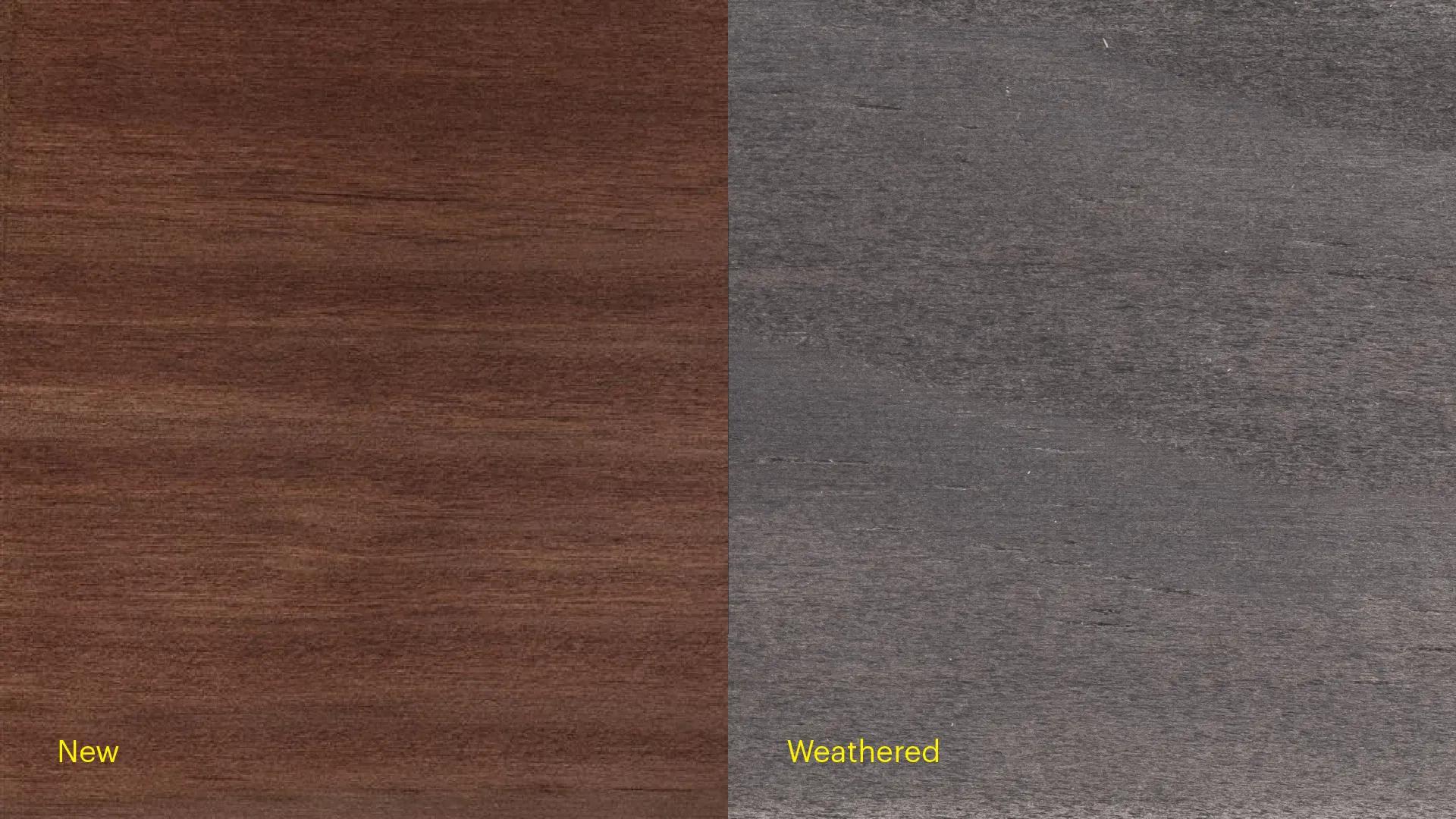
Oak is known for its high quality, durability and hardness. Measuring 3.7 on the Brinell scale, it is resistant to wear and tear and is ideal for furniture. However, oak tends to crack and deform when exposed to moisture, making it better suited for indoor projects.
The wood is treated first with Timberex natural oil and then with Osmo hardwax oil, making it highly resistant to moisture and dirt. In addition, this surface treatment improves its colour stability in bright light. The oils have been developed to penetrate deep into the wood structure and protect it from the inside.
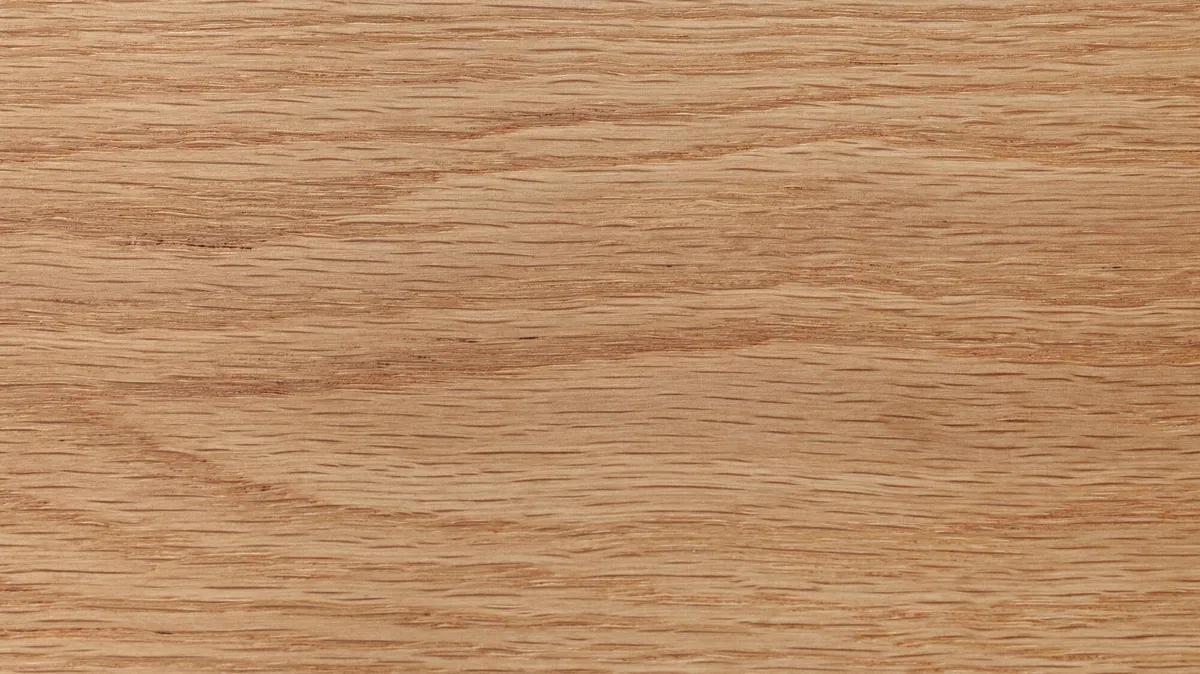
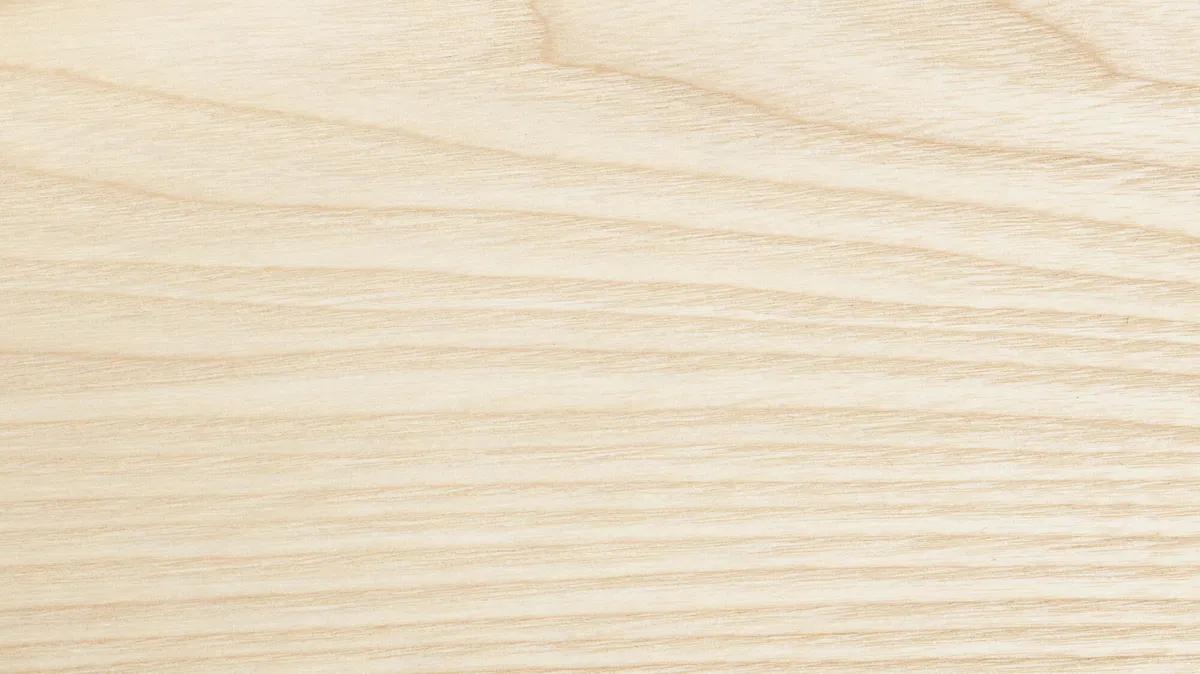
White ash tends to crack and deform when exposed to moisture, making it better suited for indoor projects. It scores a high 3.3 on the Brinell scale, which means the furniture is extremely robust and able to withstand a lot of usage. White ash is the lightest coloured of our wood materials and has a beautiful whitish hue, high density and straight growth rings.
White ash products are treated with a UV-protective oil, Osmo hardwax-oil, to preserve the wood’s natural colour and prevent water damage and discoloration.
Steel, aluminum and surfaces
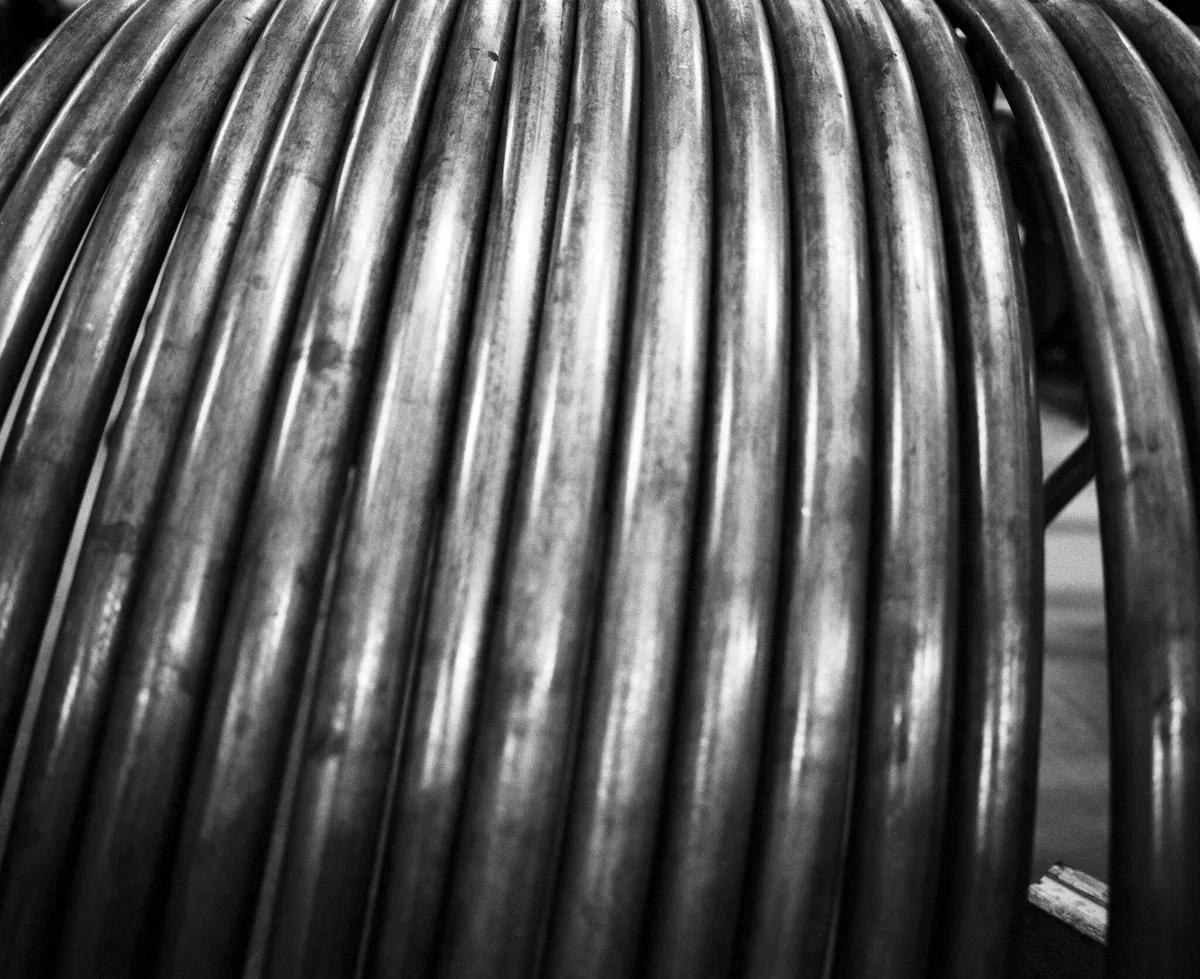
Vestre uses high-quality steel and aluminium that are sourced as locally as possible. The global steel industry is responsible for 7–9 percent of the world's greenhouse gas emissions, but steel production in the Nordic countries generates over 20 per cent fewer emissions than average. This is made possible by state-of-the-art production plants and the high proportion of renewable energy used in production.
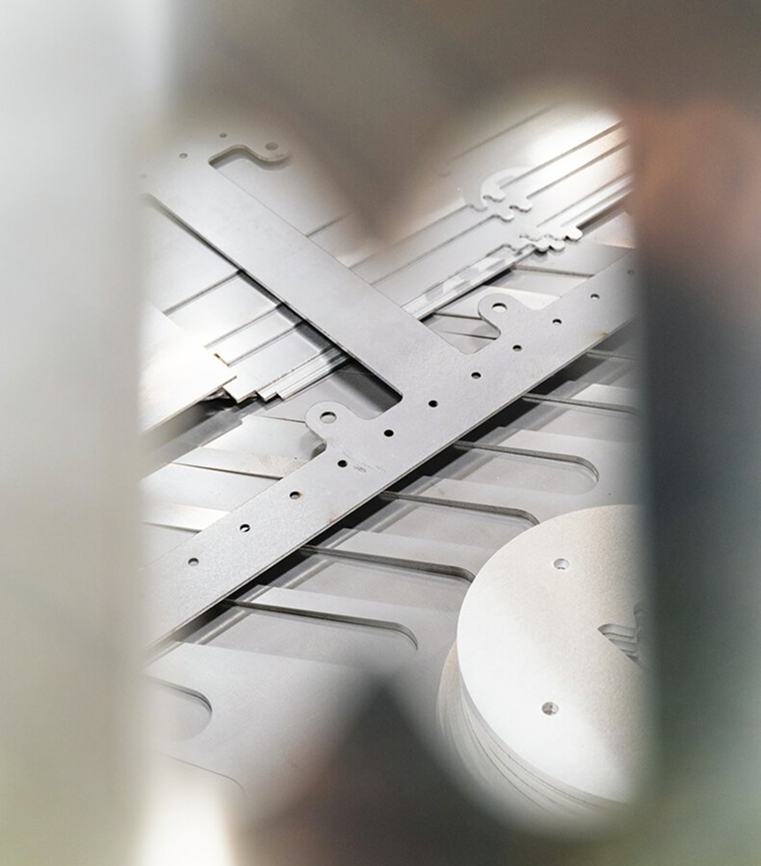
The steel Vestre uses is between 2 mm and 20 mm thick. Steel plates are cut using advanced laser machines, which are extremely accurate and minimise wastage. Welding is carried out both manually and using industrial robots. All components are processed and assembled with a view to achieving optimal strength and durability.
For aluminium, we mostly use Hydro CIRCAL, which consists of at least 75 per cent post-consumer scrap. In other words, it is based on products that have already lived a useful life. Aluminium is a fully recyclable material that maintains its quality through countless rounds of recycling. In fact, around 75 per cent of all aluminium ever manufactured remains in use today. By using Hydro CIRCAL, we drastically reduce our energy consumption, while ensuring the product’s high quality and durability.
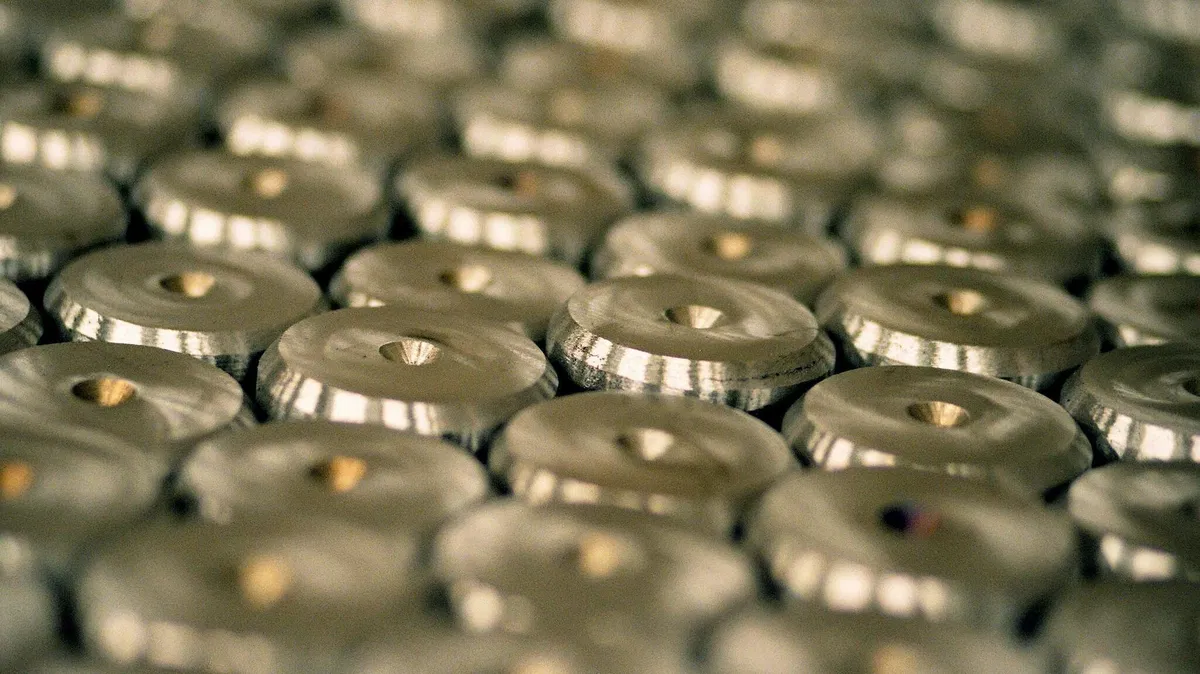
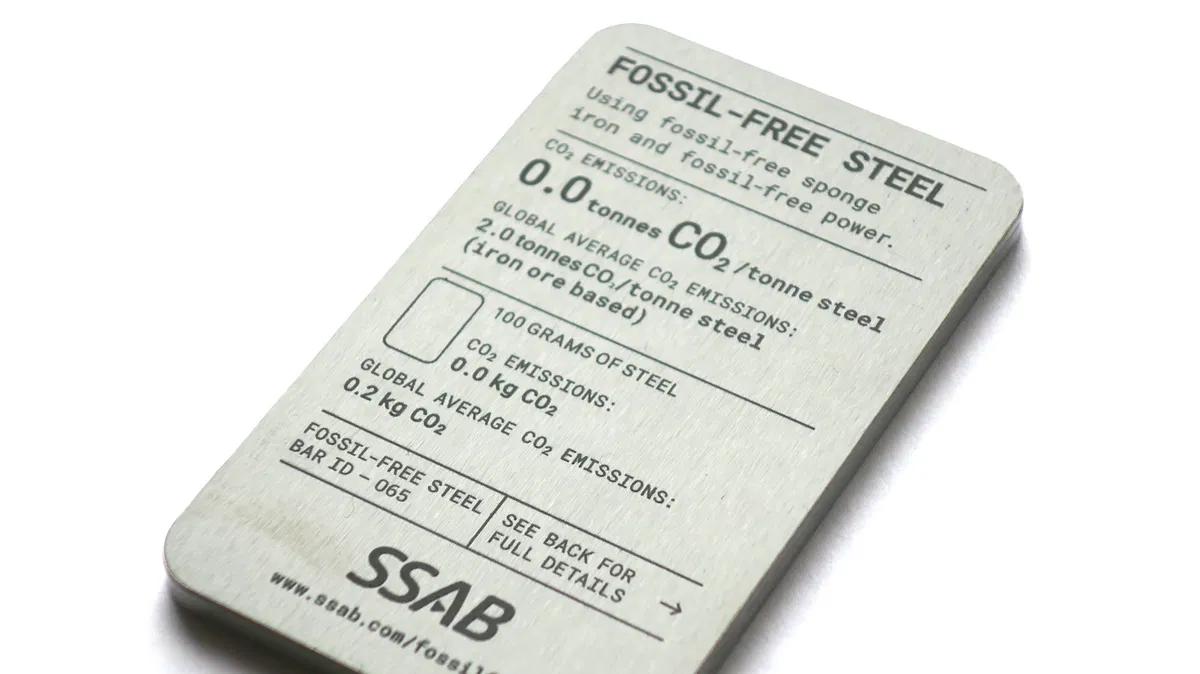
Steel is a vital material for us. Unfortunately, it is also one of the biggest sources of greenhouse gas emissions, both globally and for us as a company. However, we have found a solution in the form of fossil-free steel. The Swedish steel manufacturer SSAB is changing the industry by using technology that replaces coal and coke with hydrogen in the production process, leaving it fossil-free and with the same characteristics and strength as conventional steel.
In 2023, Vestre became the first furniture manufacturer to use SSAB’s fossil-free steel when we launched the bench TELLUS. We now have several products in this new steel. Our goal is to convert all our steel components to fossil-free steel by 2030. In doing so, we could reduce our total carbon footprint by around 60 per cent.
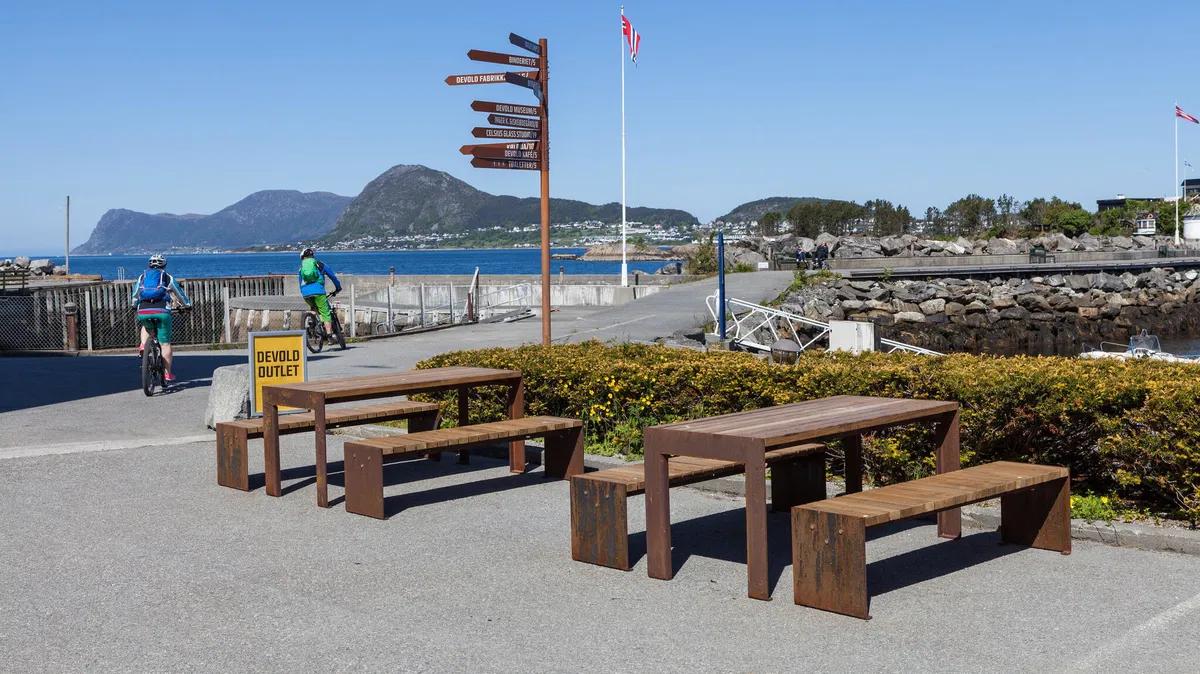
Corten steel is an alloy designed to rust – but in a good way. When exposed to the elements, it gradually forms a protective layer of rust that makes the surface resistant to further corrosion. This means that the more time Corten spends outdoors, the more durable it becomes.
The rust layer varies in appearance from warm orange to deep reddish brown and evolves naturally over time. No two surfaces are exactly alike, giving a vibrant and timeless look that fits well in both urban and natural environments.
We supply all furniture with sheet steel in Corten, but not round profiles, and only for outdoor use.
It may take a few months for the rust layer to fully stabilize, and during this period the steel may leave some discoloration on the surface below – especially in rainy conditions. This is completely natural and will lessen as the surface “settles.” We do not recommend using Corten on light-colored ground surfaces, as the rusting process never fully stops, and there is a risk of staining clothes if sitting in direct contact with the steel.
Corten products are priced the same as powder-coated products. We also offer Corten Sahara 1037029 paint, which resembles Corten in appearance but does not rust or rub off.
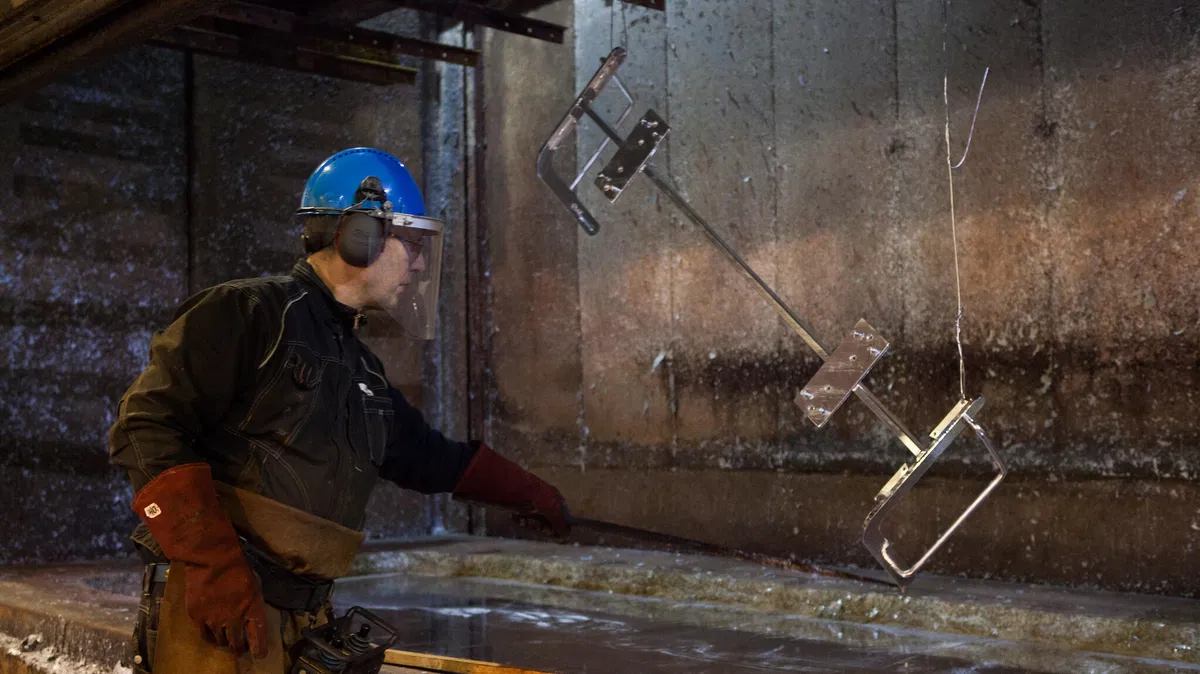
All steel components used by Vestre are hot-dip galvanised in a liquid zinc bath at 450 °C. This process provides a rust-free coating that enables Vestre's products to remain outdoors for decades. Steel that is powder-coated after hot-dip galvanisation will have an even longer lifespan, as the powder coating protects the zinc. If the surface is damaged, hot-dip galvanised products repair themselves because the zinc contracts and forms a new coating in the damaged area. This is called cathodic protection. Hot-dip galvanisation is a method that was patented by the French engineer Sorel in 1837, and is nowadays carried out in accordance with the strict environmental standards defined in ISO 1461. Zinc (Zn) is an important renewable construction material that occurs naturally in rock, water and the human body.
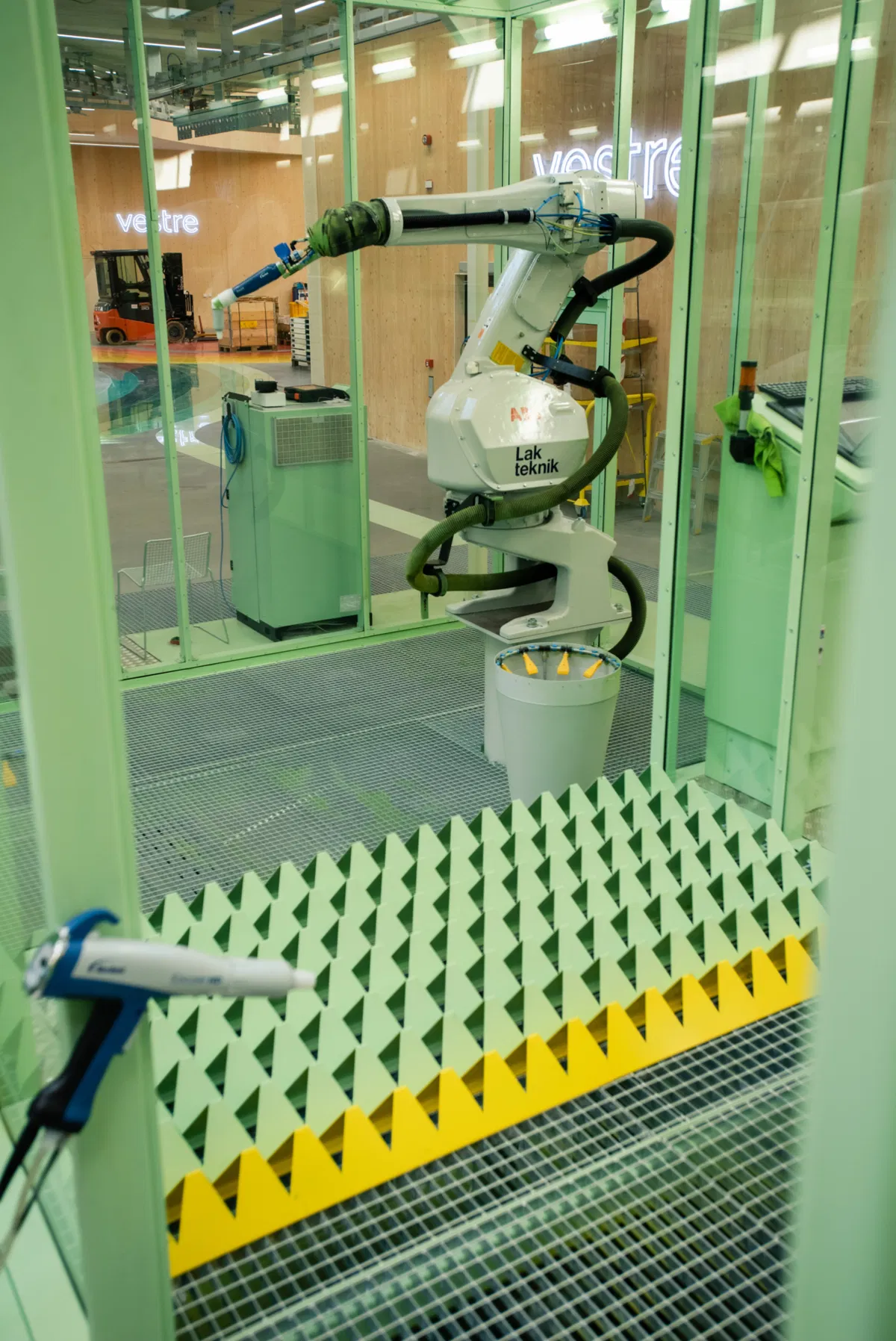
The Color Factory at The Plus adds vibrant life to Vestre’s furniture, with over 200 RAL Colours to choose from. We powder-coat in a gloss 12 textured matte finish at no extra cost (excluding Pearl colours). Before our products receive their powder-coated finish, they undergo a thorough pre-treatment process involving multiple cleaning steps. Our solvent-free powder coating is applied electrostatically using robots or by hand if necessary. As a final step, the furniture passes through a curing oven, where the powder melts, giving the product its final flawless appearance. Originally developed for the rigorous demands of the Norwegian offshore industry, this process ensures a top-notch finish that meets strict corrosion standards, even in challenging coastal environments with high salinity and humidity (Corrosion Class C5).
Other materials
HPL is a robust and dimensionally stable laminate that can withstand heavy use for many years – whether indoors or outdoors.
The material is primarily composed of paper that is compressed under high pressure and heat, resulting in a compact, solid board that resists both weather and wear. Thanks to its dense and hard surface, HPL withstands moisture, UV radiation, and temperature fluctuations – without cracking, fading, or warping. This makes it ideal for urban spaces, schoolyards, and other public environments where furniture is subject to frequent and intensive use. In addition, HPL is a more environmentally friendly alternative compared to many other surfaces. At the end of its life, it can be energy-recovered without releasing harmful substances, and it contains no plastic film or PVC.
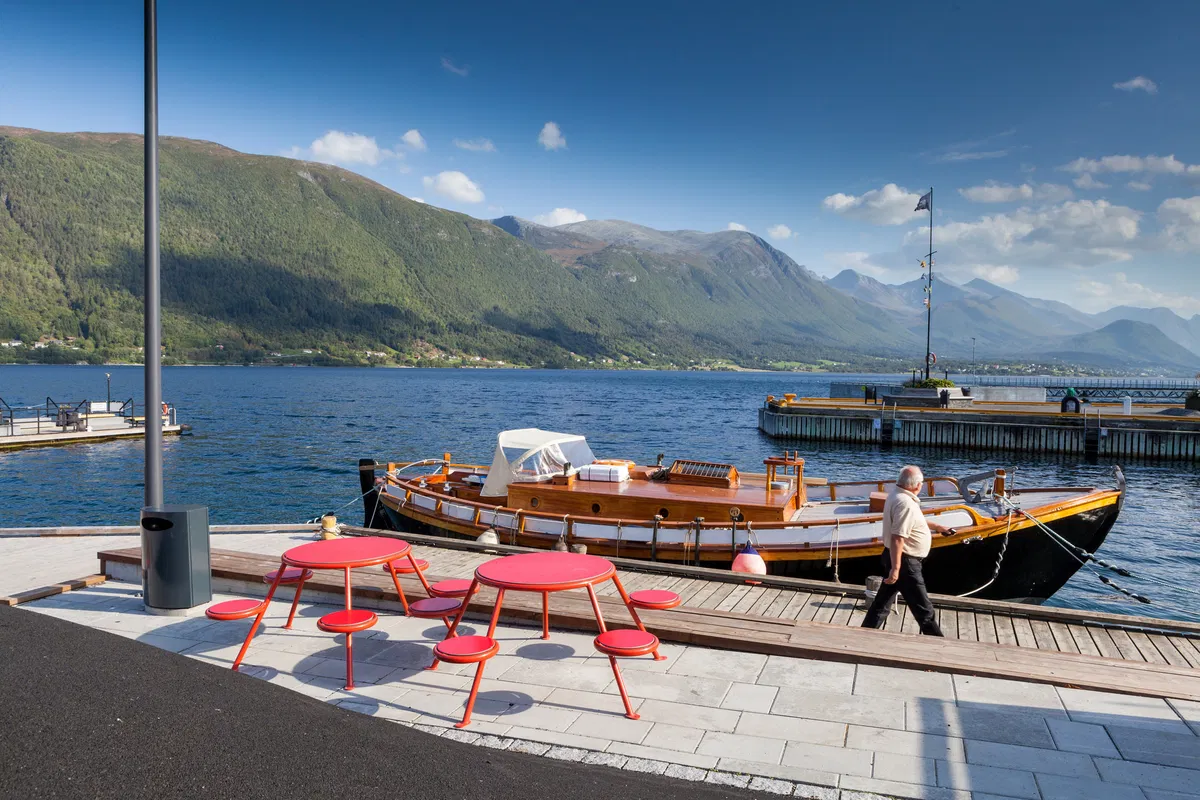
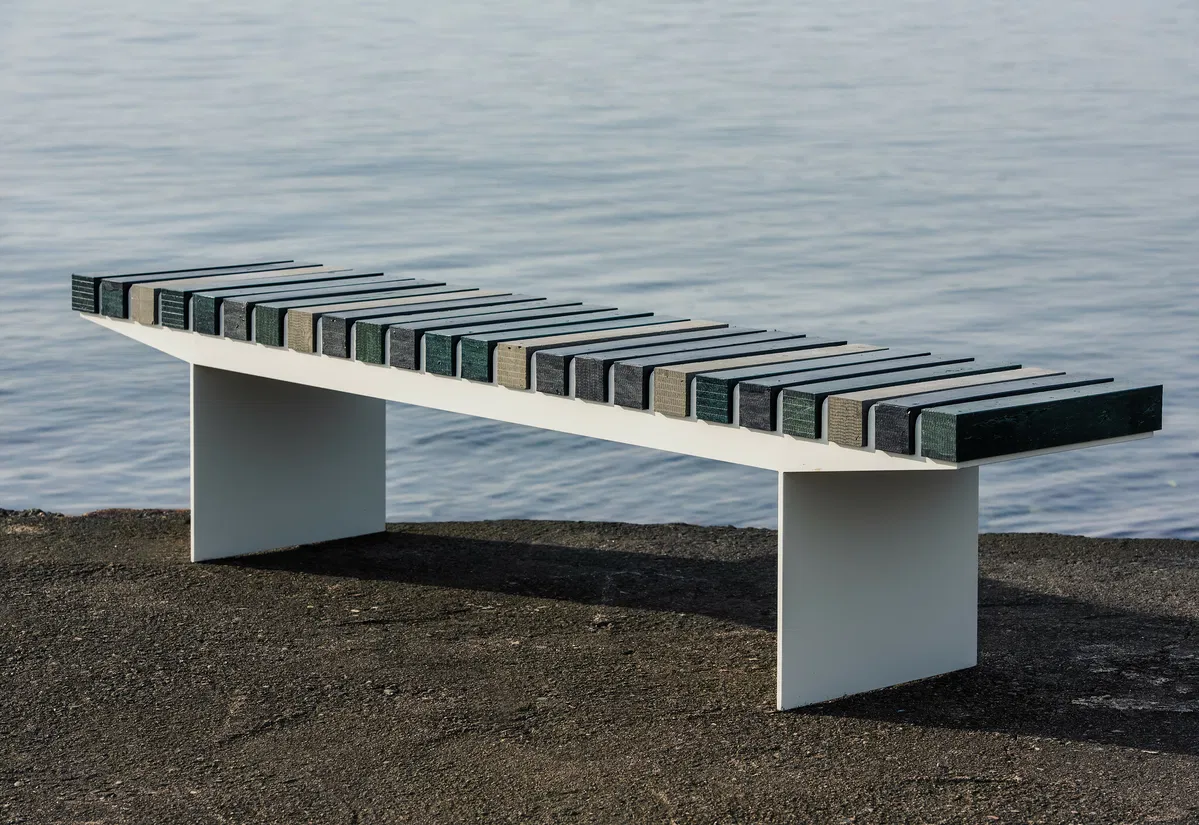
“Ownerless” plastic is plastic material that has been discarded in the ocean and has thereafter drifted for a long time before washing up along the coastline. The plastic in our COAST bench differs from similar products, in that we have used ownerless ocean plastic instead of surplus plastic, or plastic that comes from managed waste handling systems. A significant part of the plastic used by Vestre is collected by volunteers, among them the organisation In The Same Boat, and the origin and traceability of the plastic is secured via block chain technology from Empower.