
Austin from above — Tailored design meets durable performance at 36 stories high
Austin, United States
Strand Aldwych has been reimagined from a heavily polluted four-lane road into a vibrant and healthy, pedestrian-friendly public space. This remarkable project highlights the rich heritage of central London through bold and innovative urban design. Its unique historic architecture can now be admired from a peaceful garden setting, within a safe, democratic, and inclusive 7,000 m² public space.
From smog to smiles
Once one of the capital’s most congested and polluted areas, the Strand has undergone a complex, multi-year transformation into a welcoming new civic environment. The project has been described as a rescue mission — not only for the stunning architecture but also for the approximately 700 stakeholders, including students and staff at nearby universities, local residents, workers, and international visitors. Walking and cycling were once dangerous, as pedestrians were squeezed onto narrow sidewalks beside heavy traffic and parked buses.
Following a competition win in 2018, LDA Design was commissioned to create a new cultural and education district. The setting embraces two major universities, Somerset House, cultural institutions, the Australian and Indian embassies, and two historic churches. The project has been delivered in partnership with local stakeholders, including the Northbank BID, and is the first step toward a larger vision of improving public spaces in this part of London — with sustainability, well-being, and visitor experience as central goals.
The design team even drew inspiration from Times Square in New York City (another celebrated space furnished by Vestre), using it as a case study for how incremental change can transform a traffic-dominated street into a space for people.
A green and pleasant land
The closure of the Strand to vehicle traffic has made way for a brand-new public space serving a diverse community. Currently in a “meanwhile” phase of 3–5 years, the project incorporates user feedback to shape a permanent design in the future. The ultimate vision is for the area to become a global creative and cultural quarter for art and knowledge-sharing.
New green infrastructure enhances health and well-being, while partially shaded gathering areas beneath plane trees encourage dining, working, and relaxing. Improved cycle parking and safer intersections support active transportation, and better wayfinding encourages visitors to explore at a slower pace.
Over 1,000 m² of biodiverse planting supports pollinators, provides year-round seasonal interest, and reduces urban heat in summer. Air quality has improved dramatically thanks to reduced traffic congestion and the addition of more than 40 new trees, which bring spring blossoms and autumn color.
Seating, seating everywhere
This ambitious project represents a dramatic shift in how London approaches its streets. For the first time, it connects key cultural and educational institutions through a shared social space. While still accessible to deliveries, embassy vehicles, and ceremonial processions, pedestrians and cyclists now take priority.
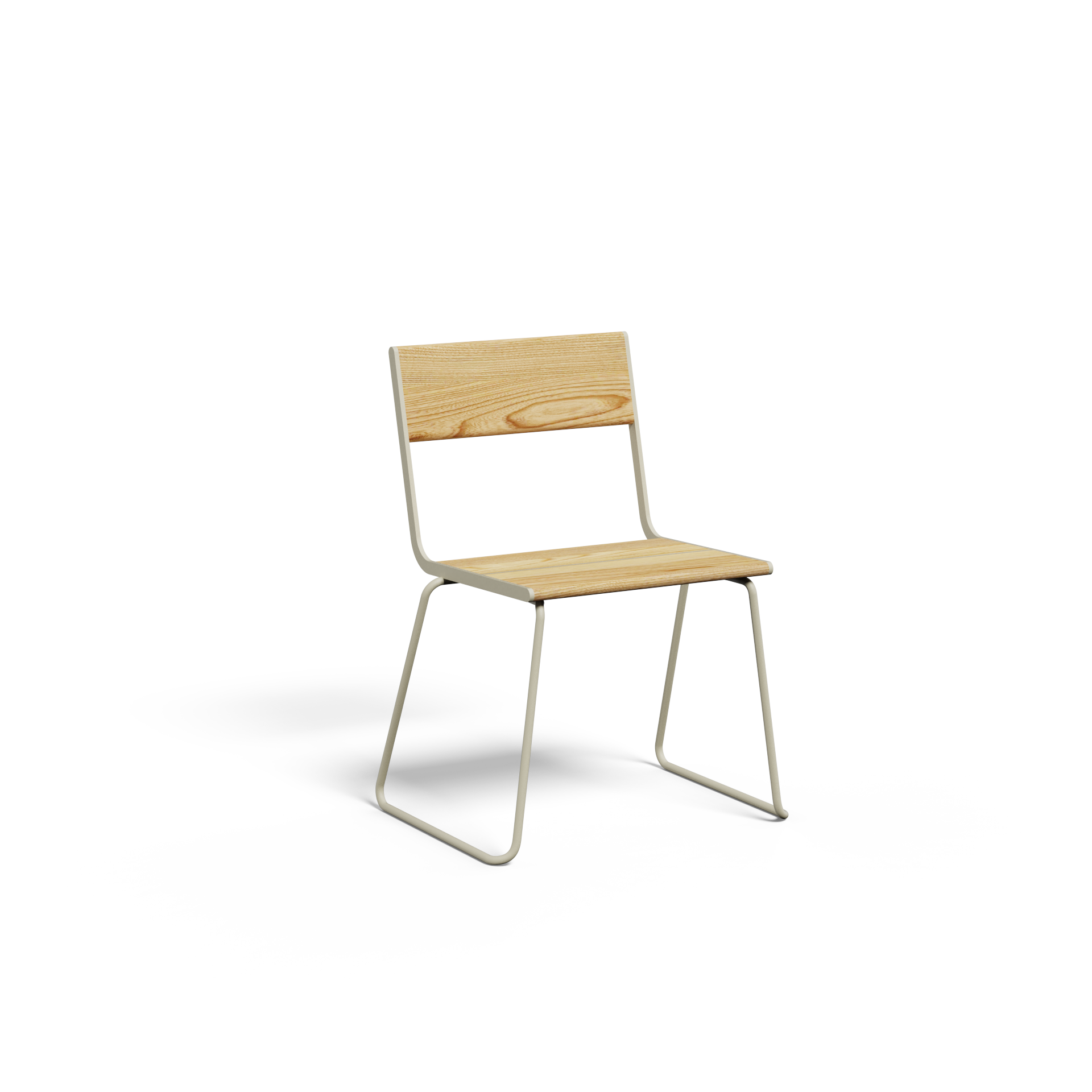
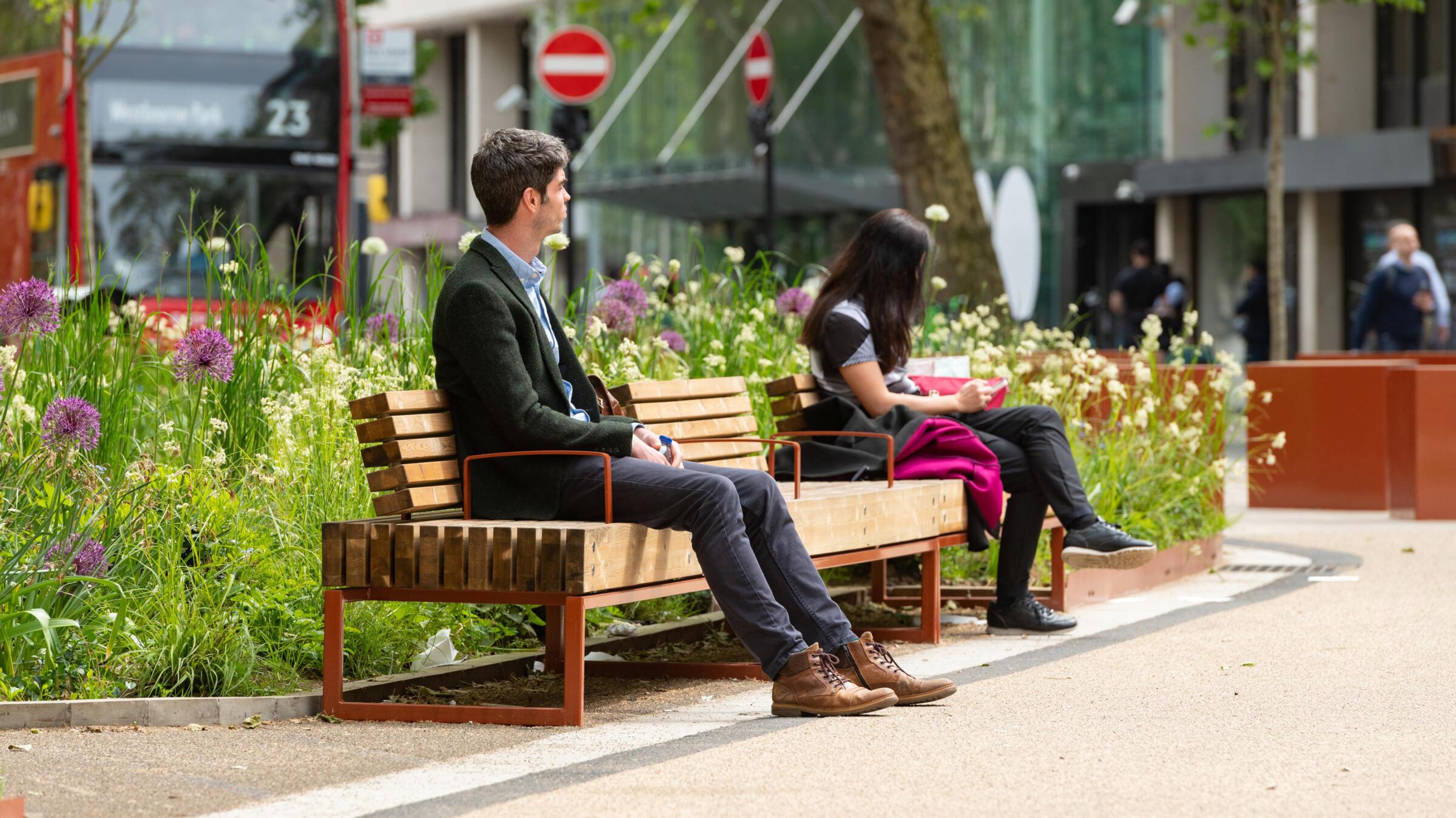
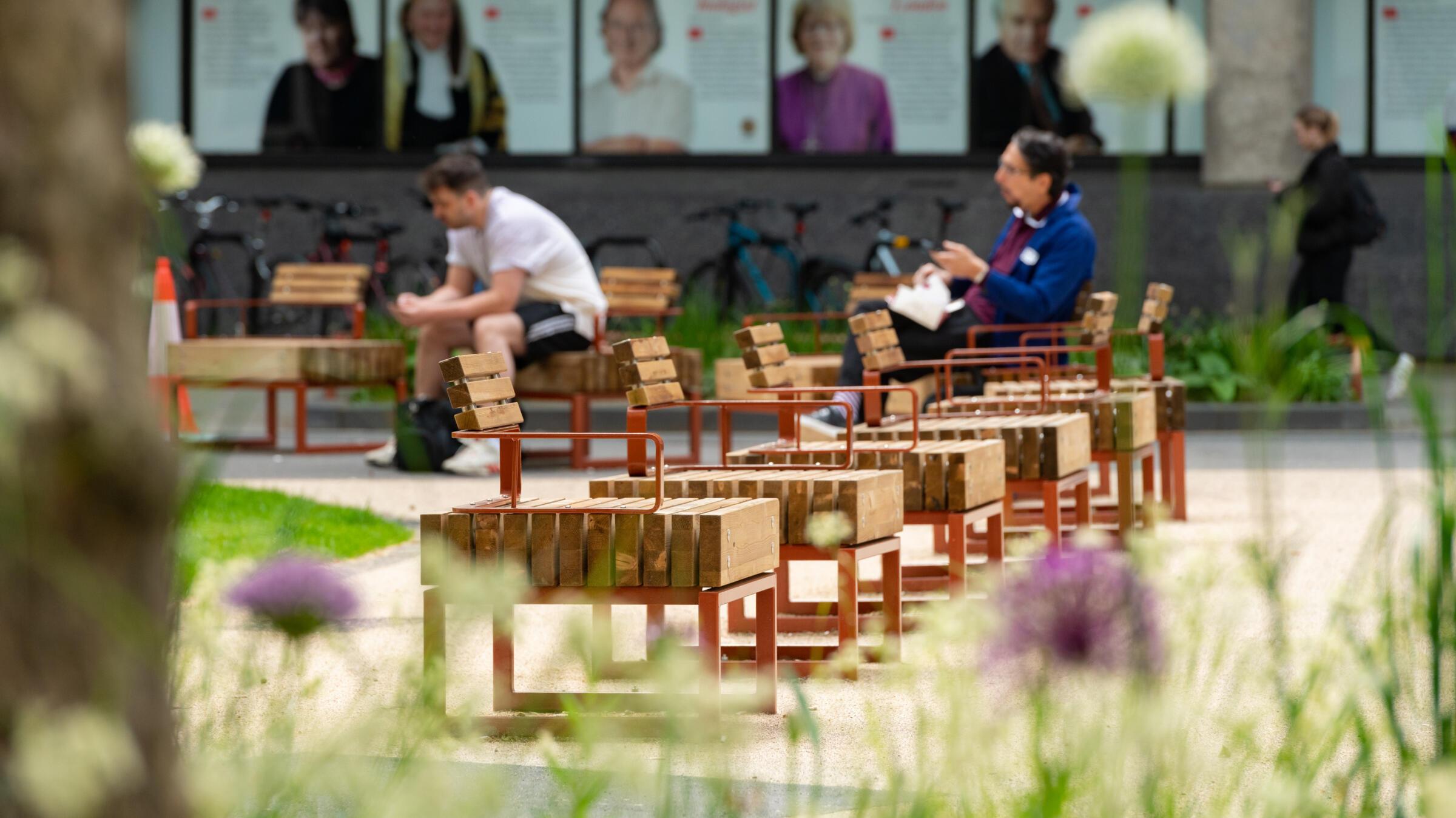
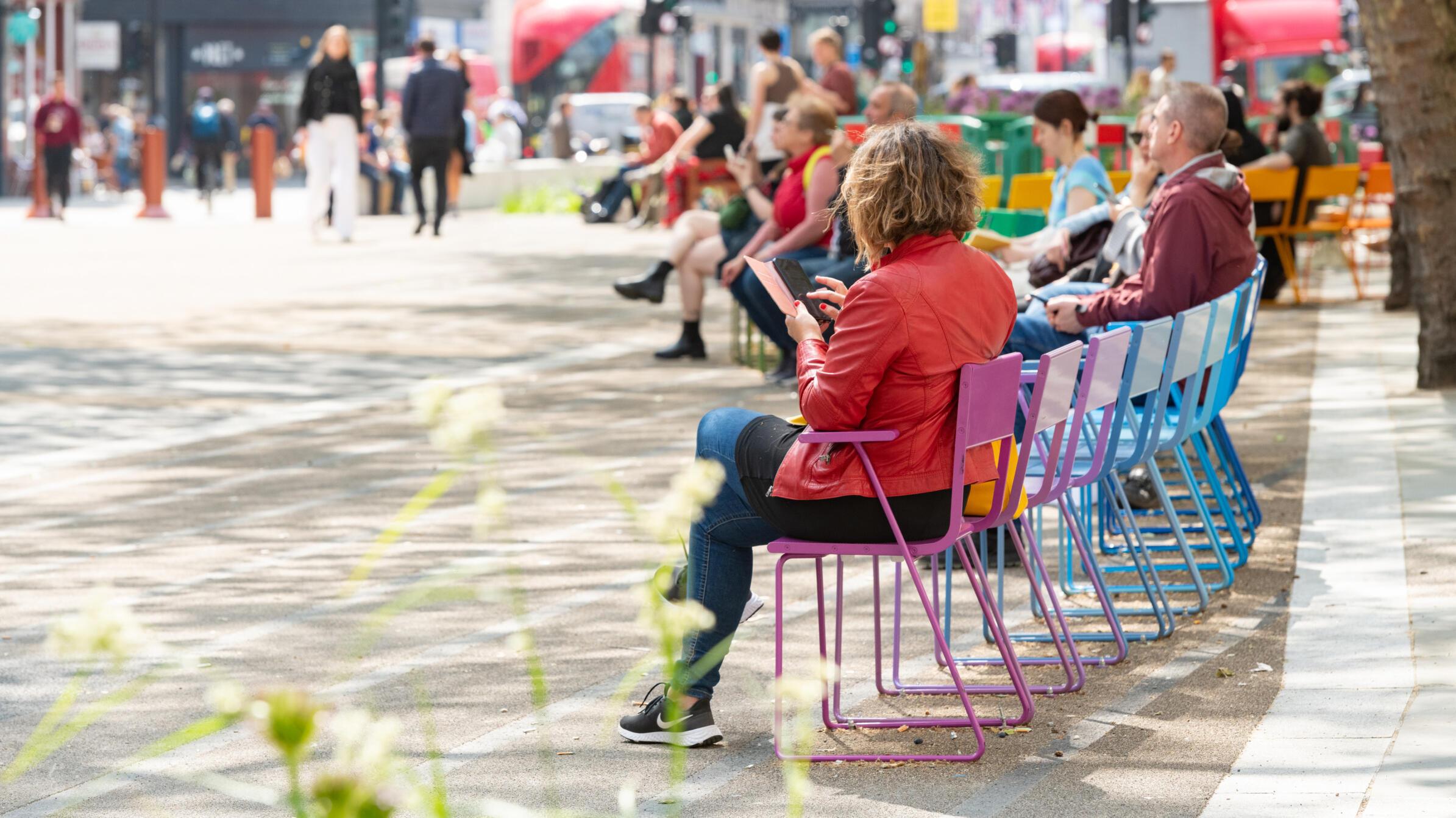
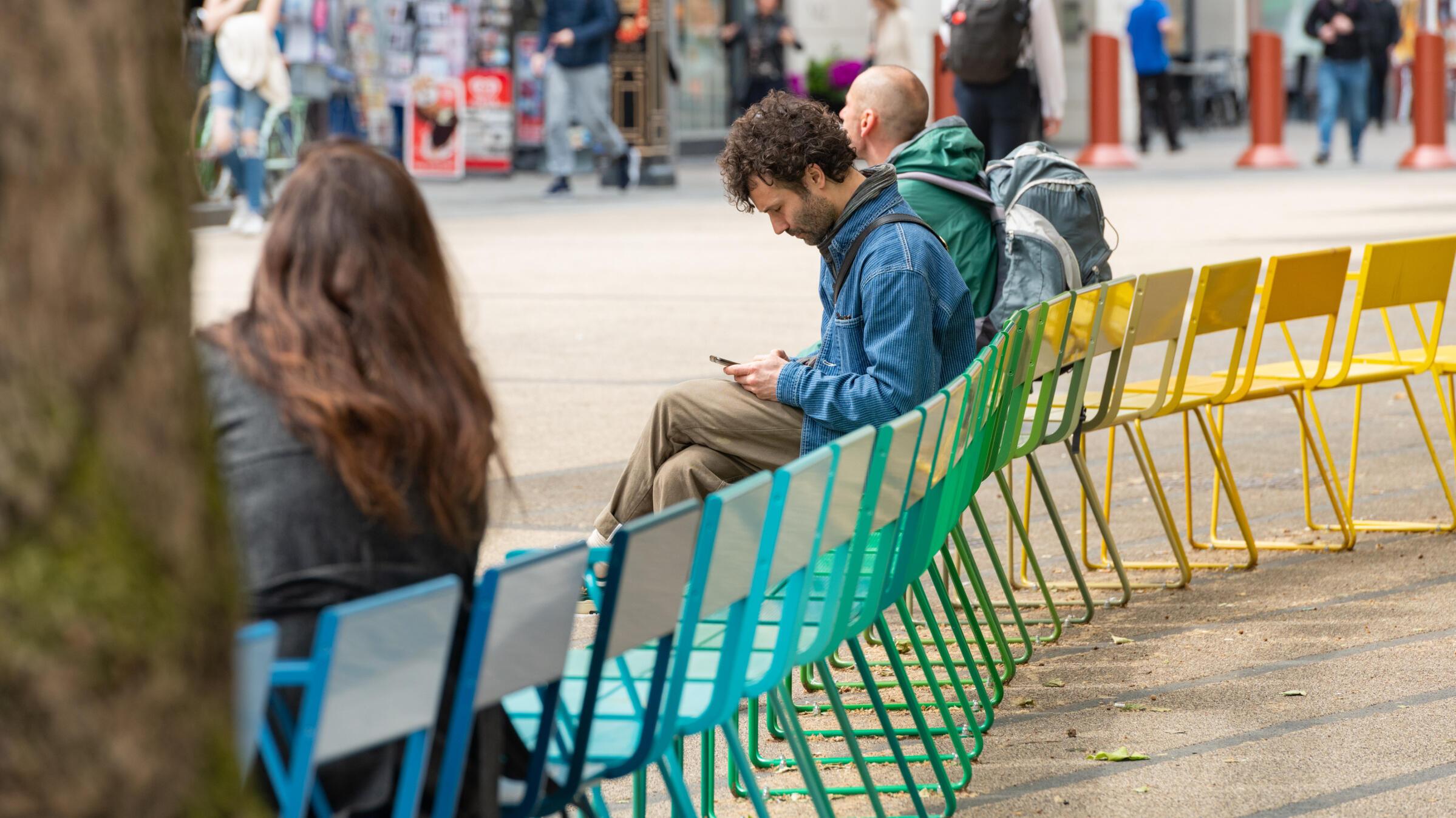
Several zones of contrasting character encourage both activity and relaxation. With proxemics in mind, a variety of seating styles and arrangements were designed to support different behaviors — from solitude and study to social gatherings. In total, seating for 700 people has been provided, including the playful “social seat,” a snaking line of 57 rainbow-colored APRIL GO chairs, creating a vivid and memorable landmark.
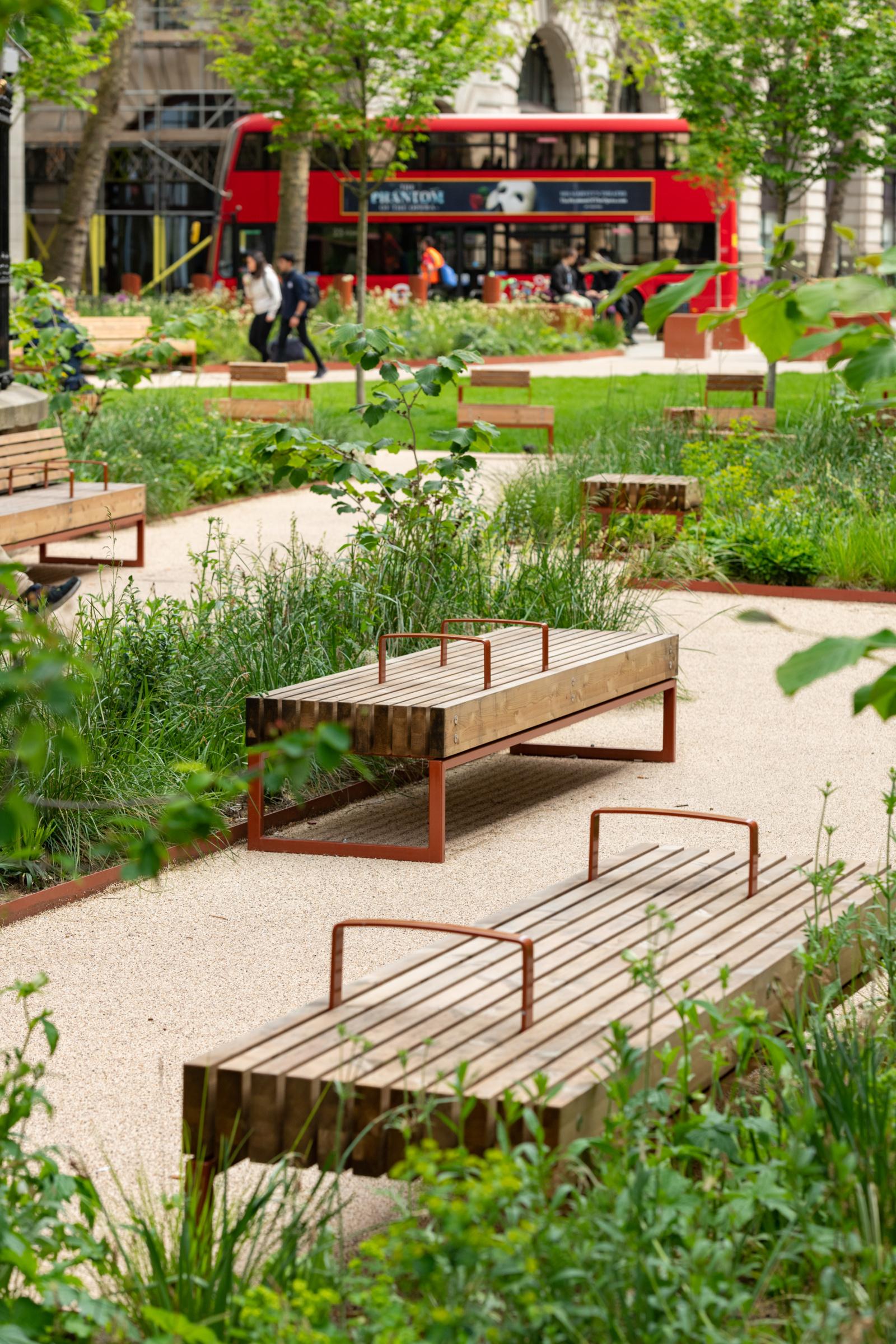
St. Mary-le-Strand, a historically protected church, is now framed by a beautifully planted sanctuary garden. In front of the church, a communal dining and work area is furnished with coordinated groups of chairs and tables, finished in a pearl copper color to complement surrounding architecture. Flexible open areas are designed to host art installations, performances, and public events, further connecting the community. The result is a new green oasis in the heart of London — a place where people and nature thrive together, and where enhanced health, inclusivity, and cultural vitality now define the experience.
Voices
Cannon Ivers, LDA Design
Cllr Geoff Barraclough, Westminster City Council’s Cabinet Member for Place Shaping and the Economy, said:
“Anyone familiar with that part of Westminster will know just how awful it was for pedestrians, who would take their life in their hands every time they tried to get from one side of Aldwych across to Strand… Schemes like this one demonstrate the inherent value of high-quality public space, and how they can benefit residents, workers, and visitors — helping to give London a global competitive edge and ensuring the central activities zone is for all, not the few.”
Products
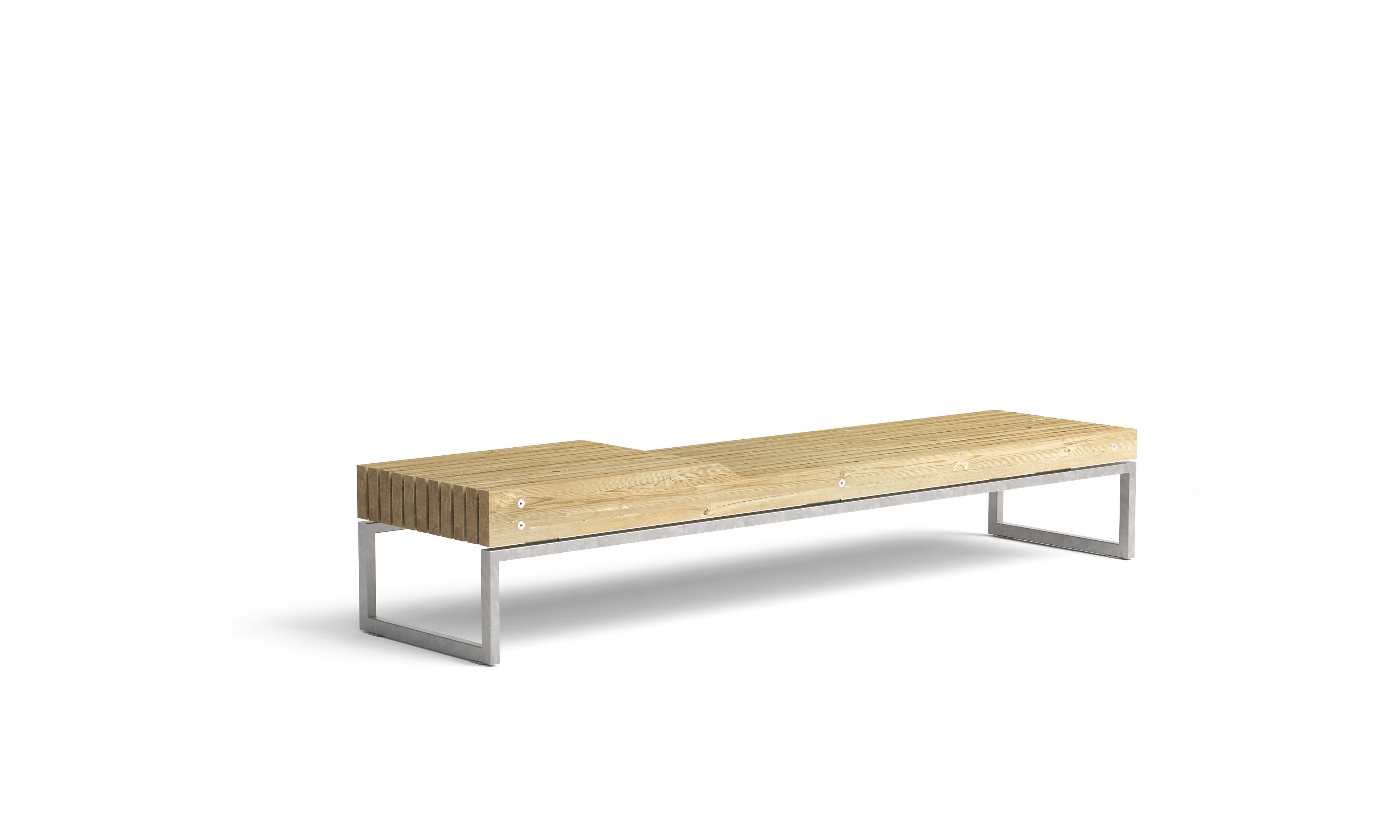
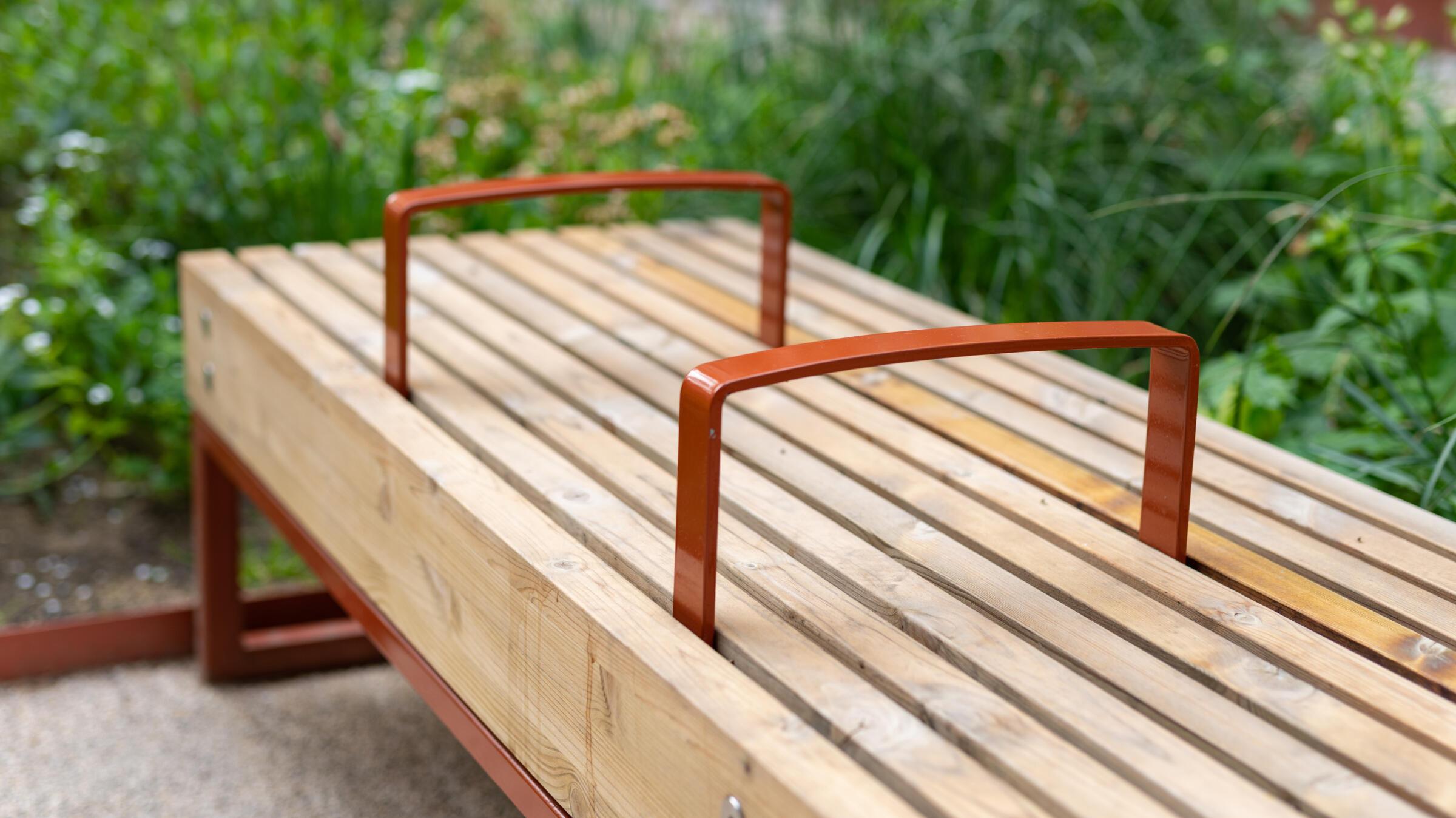
57 × APRIL GO chairs 7013/7014 in 57 different rainbow RALs (custom fixing to allow bolting to the ground) 9 × VROOM square table 637 10 × VROOM narrow table 635 8 × CODE square module bench 2616 53 × PORTO bench 401/402/406 (mix of standard and custom lengths) plus 423/425 arm- and backrests 8 × PORTO MK 406 custom wall-mounted (All above in RAL 8029 Pearl Copper)
Project details
Clients:
Westminster City Council & Northbank Business Improvement District Landscape Architect: LDA Design Engineer: WSP Contractor: F M Conway Location: Strand Aldwych, Westminster, London Sector: Public space, education & cultural
Awards
Winner, 2024 Civic Trust Award Winner, Public Space, 2023 Developer Pineapples Award Winner, Public Spaces category, New London Awards 2023 Winner, Mayor’s Award for Good Growth Highly Commended, Best Heritage or Cultural Project, 2023 Building London Planning Awards Highly Commended, Best Project for Sustainable Planning, Building London Planning Awards 2023 Landezine International Landscape Award – Public Projects 2023
Austin, United States
Hamburg, Germany
Austin, United States
Hamburg, Germany
Oslo, Norway